
Starlink Satellite near Collusion with Chinese : Analyzing the Impacts of the SpaceX-Chinese Satellite Close Encounter
In the vast expanse of low Earth orbit, where thousands of satellites zip around at breakneck speeds, a recent incident has underscored the precarious nature of our increasingly crowded skies. On December 9, 2025, a satellite deployed from a Chinese rocket launch came perilously close—within just 200 meters—to colliding with one of SpaceX's Starlink satellites. This near-miss, highlighted by SpaceX's Vice President for Starlink Engineering, Michael Nicolls, has sparked discussions about space safety, international cooperation, and the future of satellite operations. As we delve into the impacts of this development, it's clear that what could have been a catastrophic collision serves as a wake-up call for the global space community.
To set the scene, the incident occurred shortly after CAS Space, a Chinese commercial launch provider, successfully deployed nine satellites using its Kinetica-1 (also known as Lijian-1) rocket from the Jiuquan Satellite Launch Center. The payloads included satellites for Chinese clients, as well as international ones from the United Arab Emirates, Egypt, and Nepal. According to Nicolls, no ephemeris data—critical information about a satellite's position and trajectory—was shared by the operator, leading to the dangerously close approach with Starlink-6079 at an altitude of about 560 km. CAS Space responded promptly, emphasizing their commitment to responsible space use and offering assistance, while clarifying that post-deployment control lies with satellite owners.
This event isn't isolated; it reflects broader challenges in an era where mega-constellations like Starlink, now boasting around 9,000 satellites, dominate orbital real estate. But what are the ripple effects? Let's explore the multifaceted impacts on space safety, geopolitics, technology, and sustainability.
Immediate Impacts on Space Safety
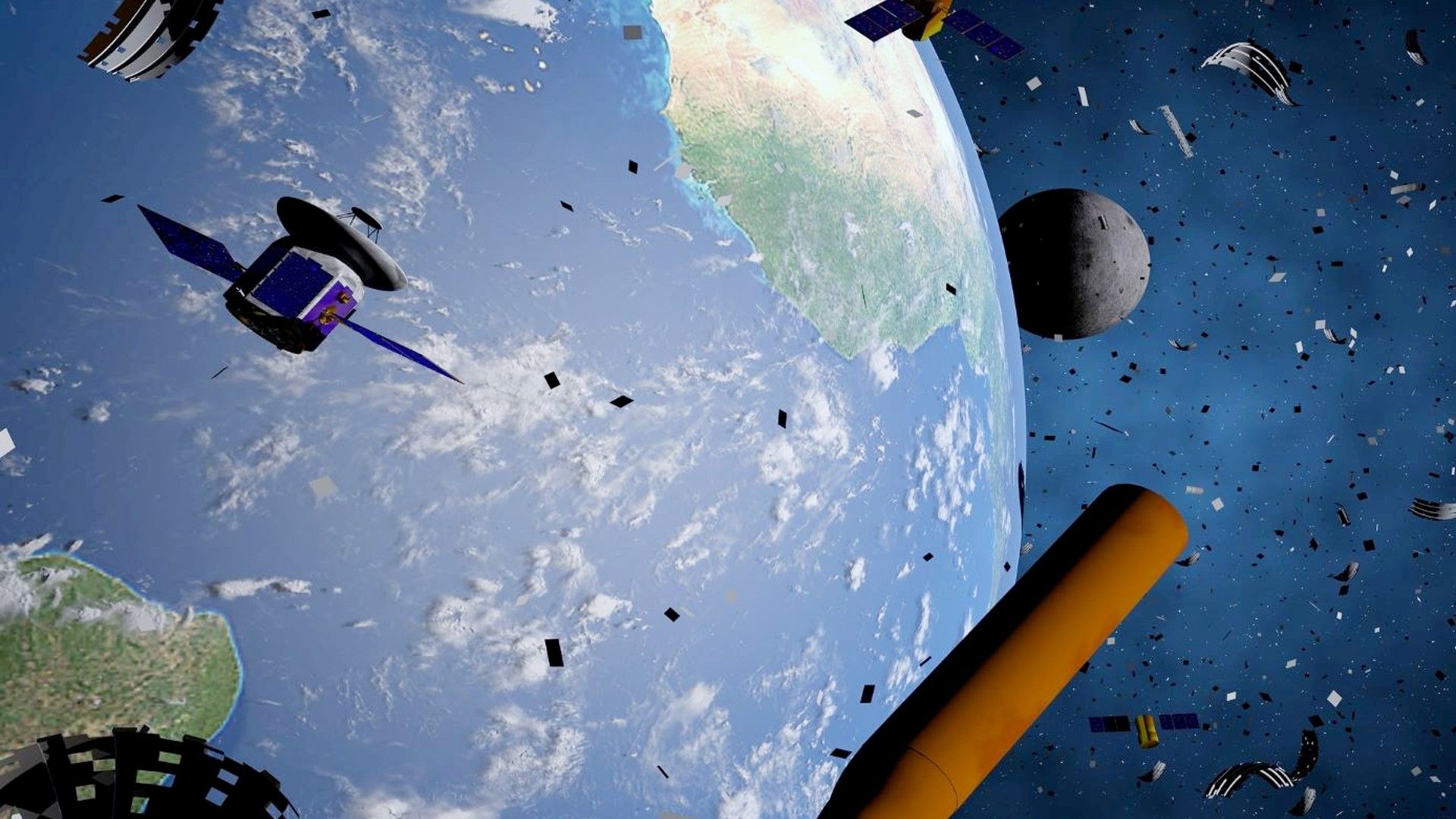
The most direct consequence is the heightened awareness of collision risks in low Earth orbit (LEO). Satellites travel at speeds exceeding 17,000 mph, meaning even a minor impact could generate thousands of debris fragments, triggering a cascade known as the Kessler Syndrome—a scenario where debris collisions create more debris, rendering orbits unusable. In this case, the 200-meter separation was alarmingly tight; industry standards often require operators to maneuver if approaches dip below 1 km.
SpaceX, which performs millions of collision avoidance maneuvers annually, relies on shared data to predict and prevent such events. The lack of coordination here exposed vulnerabilities in global protocols. As Nicolls noted on X (formerly Twitter), "Most of the risk of operating in space comes from the lack of coordination between satellite operators—this needs to change." Public reactions on X echoed this concern, with users like Dr. John Barentine sharing the story and highlighting the absence of deconfliction. Another post from Video Forensics pointed out the potential for disaster, quoting the 200-meter gap and lack of prior coordination.
In response, CAS Space affirmed that their launches undergo rigorous checks with ground-based systems to avoid known objects. However, this incident could prompt immediate operational changes, such as mandatory ephemeris sharing for all launches. Organizations like the United Nations Committee on the Peaceful Uses of Outer Space (COPUOS) may accelerate guidelines for traffic management, potentially reducing near-misses by 20-30% in crowded orbits.
Geopolitical Ramifications and International Cooperation
Geopolitically, this development amplifies tensions in the space race between the U.S. and China. SpaceX, a U.S. company, publicly called out a Chinese operator, fueling narratives of rivalry amid ongoing trade and tech disputes. Yet, CAS Space's response was conciliatory, stressing that "nations should work together in space, build their common understanding instead of segregating emerging nations." This echoes calls from X users, such as one advocating to repeal the Wolf Amendment—a U.S. law restricting NASA cooperation with China—to foster collaboration and prevent such incidents.
The impact could be positive if it catalyzes bilateral agreements. For instance, the U.S. and China could establish a hotline for orbital data sharing, similar to existing military deconfliction channels. Without this, escalating incidents might lead to diplomatic strains, affecting joint ventures like the International Space Station's successors or lunar missions. On the flip side, it highlights opportunities for emerging space nations; the inclusion of Nepalese and Middle Eastern payloads in the launch shows how commercial space is democratizing access, but only if safety norms evolve inclusively.
Commercially, this could influence investor confidence. SpaceX's Starlink, valued at billions, faces scrutiny over its dominance—critics argue its sheer volume increases risks. Chinese firms like CAS Space, aiming to compete with reusable rockets, might invest more in tracking tech to avoid reputational damage. Broader industry impacts include potential insurance premium hikes for satellite operators, estimated at 5-10% for LEO missions, as insurers factor in uncoordinated launch risks.
Technological and Sustainability Implications
Technologically, the incident underscores the need for advanced collision avoidance systems. SpaceX's autonomous maneuvering tech averted disaster here, but not all operators have such capabilities. This could accelerate adoption of AI-driven prediction tools, like those from LeoLabs or AGI, which monitor over 20,000 objects in orbit. Innovations in satellite design, such as de-orbiting mechanisms, might become mandatory to mitigate debris.
Sustainability-wise, LEO is becoming a junkyard. With over 100,000 satellites projected by 2030, near-misses like this could multiply. A related event reported by Reuters involved a Starlink satellite anomaly creating debris, illustrating how one mishap can exacerbate problems. Impacts extend to everyday services: Starlink provides internet to millions, and a collision could disrupt connectivity in remote areas, affecting education, healthcare, and economies.
Moreover, this development spotlights environmental concerns. Space debris threatens not just satellites but also crewed missions; the International Space Station has dodged debris multiple times. Long-term, it could hinder climate monitoring satellites, ironic given space tech's role in tracking global warming.

Broader Societal and Economic Effects
On a societal level, this incident raises public awareness of space as a shared resource. Media coverage, including posts on X about Chinese rocket failures (though unrelated to this launch), paints a picture of rapid but risky advancements. It could inspire educational initiatives, encouraging STEM pursuits focused on space traffic management.
Economically, the space industry, worth $447 billion in 2024 and growing, faces regulatory hurdles. The FCC and ITU might impose stricter licensing, delaying launches but enhancing safety. For consumers, reliable satellite services mean better global internet, but incidents like this could temporarily spike costs or outages.
Looking Ahead: A Call for Unified Action
In conclusion, the near-collision between a Chinese-deployed satellite and Starlink-6079 is more than a technical glitch—it's a harbinger of challenges in our orbital future. Its impacts span immediate safety enhancements, geopolitical dialogues, technological innovations, and sustainable practices. By fostering international cooperation, as urged by both parties involved, we can transform this close call into a catalyst for a safer space environment. As orbits fill, the stakes rise; ignoring them risks turning the final frontier into a hazardous wasteland. With proactive measures, however, space can remain a domain of wonder and progress for all humanity.



0 Comments